

A cup of tea can mark a boundary almost without announcement. Work pauses. A visitor is welcomed. A conversation begins somewhere gentler than the matter everyone has been avoiding. The action may be familiar enough to happen automatically, yet paying attention to it reveals a small meeting place between taste, habit and hospitality.
Tea offers a particularly approachable subject for curious reading after 50 because it connects the ordinary with a much wider world. You can explore it through a simple cup at home, a conversation with someone whose preparation differs from yours, or a closer look at the information on a packet. The pleasure does not require becoming a collector or judging how other people should drink.
Notice the ritual you already have
Think about when tea appears in your day and what it seems to signal. It may accompany the first quiet minutes of morning, a break between tasks or the arrival of a friend. The practical act of making it may matter as much as the flavour, especially when it creates a familiar pause.
Observe the details without immediately trying to improve them. Which cup do you choose? Do you sit down or carry the drink through several unfinished jobs? Is the preparation something you enjoy, or another task completed while your attention is elsewhere? A ritual becomes visible when you notice what is already happening.
Choose one small change if you want the experience to feel more deliberate. Sit for the first few sips, use a cup you enjoy or leave the phone elsewhere briefly. The change should make the moment more satisfying, not create another standard you must meet before an ordinary drink counts as worthwhile.
Explore hospitality through specific traditions
Tea practices differ between and within communities. UNESCO's account of the culture of çay in Azerbaijan and Türkiye describes tea as part of hospitality and social relationships. That offers one starting point for learning how a drink participates in everyday and significant occasions.
A different UNESCO account concerns traditional tea processing and associated social practices in China, connecting cultivation, preparation and sharing. Read such accounts as descriptions of particular living practices, not instructions that every person from a country follows an identical routine.
If someone offers to explain their own way of serving tea, ask about their household and experience. A personal conversation can include variation, change and preference that a broad label misses. Listen without turning the person into a spokesperson for an entire culture or insisting that their practice must match something you previously read.
Read the packet with a curious eye
Look at what the producer actually tells you: the product name, ingredients, origin information where given, preparation directions and storage advice. Distinguish a clearly stated fact from a romantic description. Words suggesting a landscape or lifestyle may communicate an impression without identifying where the contents were grown or processed.
Write down one unfamiliar term and investigate it through a relevant producer, educational institution or established tea organisation. Avoid assuming that similarly named products are identical. If a blend contains additional ingredients, those details may matter to your preferences or dietary requirements as much as the main description on the front.
Check the amount you are buying and how quickly you are likely to use it. A modest quantity can be a better introduction than a large collection purchased at once. Exploration becomes easier when you can remember which product you tried, how you prepared it and whether you would actually choose it again.
Taste without borrowing someone else's judgement
Prepare the tea using the maker's directions as a starting point, including safe handling of hot water. Notice the appearance and aroma before taking a sip at a comfortable temperature. Use ordinary descriptive words: light, full, floral, brisk, soft or something else that makes sense to your own senses.
Do not worry if you cannot identify the elaborate notes described by a seller. You are recording your experience, not demonstrating that you possess a particular level of sophistication. A useful note might simply say that you enjoyed it without an accompaniment or preferred it with the way you normally take tea.
If comparing two products, change as few preparation details as practical and label the cups. Try a small amount of each rather than arranging an exhausting tasting session. The comparison should help you notice differences and preferences; it need not establish an objective winner or a permanent ranking of what good tea must be.
Change one preparation detail at a time
If the result is not to your liking, return to the instructions and identify a single adjustment that is appropriate for the product. Changing quantity, water conditions and steeping time simultaneously makes it difficult to understand what affected the result. A small written note can prevent repeated guesswork.
Use equipment you can handle comfortably. A heavy pot or awkward strainer may look appealing while making an everyday action more difficult. Check that cups, lids and serving surfaces are stable and suitable for their purpose. Ease of pouring and safe placement matter more than assembling an impressive collection of accessories.
There is no need to make every cup an experiment. Once you find a preparation you enjoy, use it without analysis. Curiosity is available when you want it; familiarity is also a pleasure. The best daily routine may be one you understand well enough to perform simply and then give your attention to something else.
Host a small tea conversation
Invite one or two people for a clear, modest gathering. Explain whether you are planning an informal catch-up or a short tasting, and ask about relevant food and drink preferences. An invitation to tea should not require someone to enjoy caffeine, consume a particular ingredient or discuss why they choose an alternative.
Offer water and another suitable drink where practical. If serving food, keep the choices manageable and handle dietary requirements with the same care you would bring to a larger meal. The scale of the gathering does not make guessing about an allergy more acceptable, and a simple offering can be entirely welcoming.
Let the conversation take precedence over the presentation. A small tray, comfortable seating and enough time can be sufficient. If you want an opening question, ask about a drink associated with someone's childhood, a place they remember or a routine they enjoy now, while allowing them to choose a less personal answer.
Remember the work behind the cup
Tea is also an agricultural and economic subject. The FAO's overview of tea describes its importance to livelihoods and rural communities. That perspective adds people and work to a product that can otherwise arrive in the home as little more than a brand and a price.
When exploring a producer's story, look for concrete information about where and how the product is made. Distinguish a broad claim about responsibility from details that can be checked. You do not need to resolve an entire supply chain in order to buy a drink, but asking better questions can make marketing easier to evaluate.
Be cautious about turning one purchase into a sweeping claim that you have solved an environmental or social problem. Buying decisions operate within larger systems. You can still choose according to your values while acknowledging uncertainty and continuing to learn about the communities whose labour makes the product possible.
Keep health claims separate from enjoyment
A drink can be pleasurable without being presented as a treatment, a detoxification programme or an answer to ageing. Be wary of products whose appeal depends on dramatic promises rather than clear ingredients and realistic descriptions. Your preference for a flavour does not need a medical justification to be legitimate.
If caffeine or a particular ingredient affects your sleep, symptoms, medication or a condition you manage, ask an appropriate clinician or pharmacist for individual advice. Do not assume that an herbal product is automatically suitable simply because it is described as natural. Product-specific and personal circumstances can matter.
Keep a tasting notebook focused on taste, preparation and context rather than diagnosing effects from a few cups. A pleasant afternoon may involve company, rest and many other factors. You can value the experience without attributing every feeling afterwards to a specific ingredient or treating a personal impression as a general health finding.
Let cups and objects carry stories carefully
A favourite cup may connect you to a journey or a person. Use pieces intended and suitable for drinking, and obtain appropriate advice before using old, damaged or purely decorative ceramics whose safety you cannot establish. Display can preserve a meaningful object when practical use is uncertain.
If you enjoy collecting, choose a boundary that fits your space and budget. You might focus on a small set you use regularly rather than accumulating every attractive object encountered. Record where a piece came from and what you know about its maker, separating confirmed information from a seller's unsupported story.
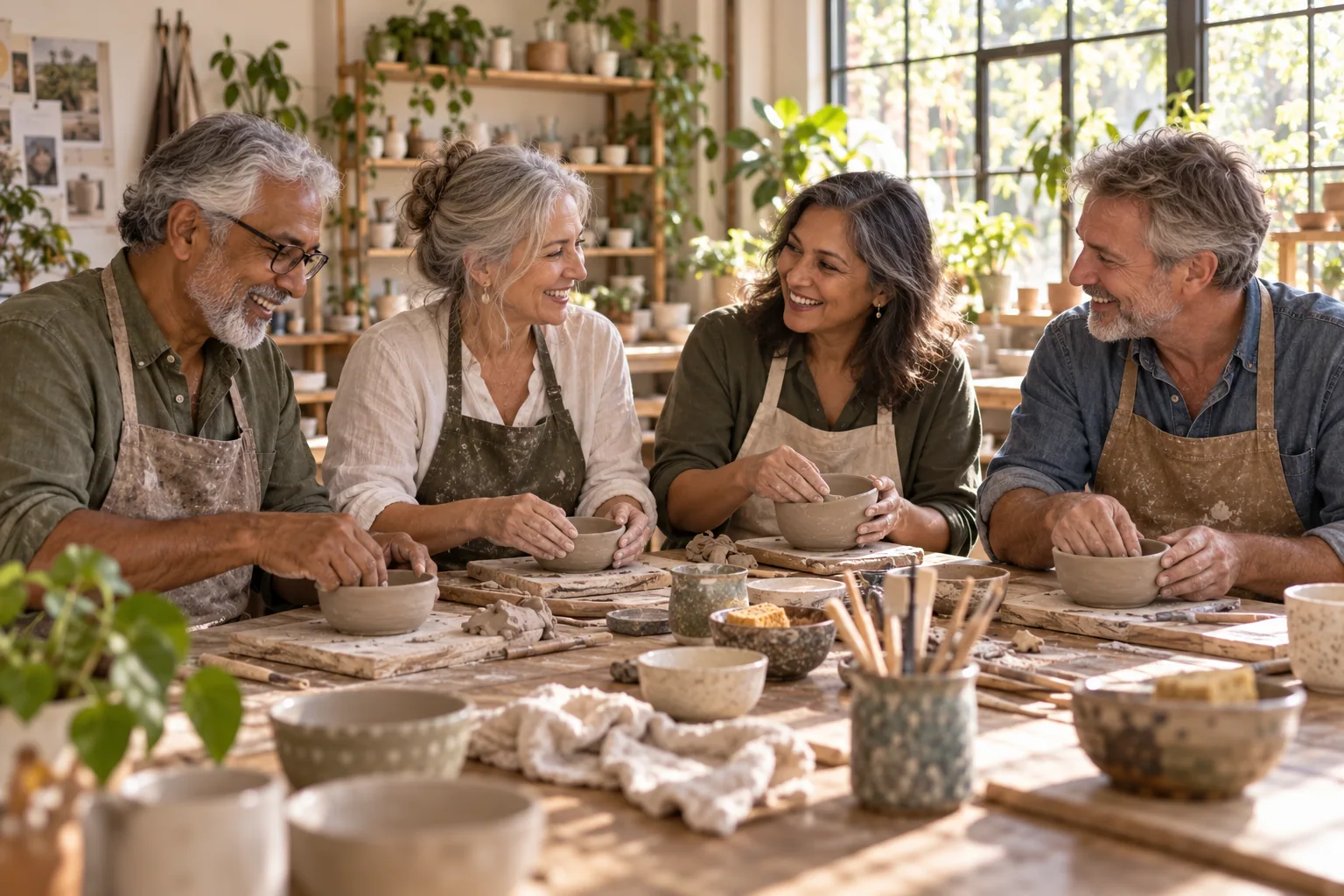
You can also enjoy objects without owning them. A museum collection, a demonstration or a conversation with a potter may deepen your appreciation. The relationship between shape, material and use is interesting in itself, and observation can offer much of the pleasure without requiring another shelf at home.
Make the pause available on ordinary days
Create a small arrangement that makes your preferred routine easy: the current product stored as directed, a suitable cup and the equipment you actually use. Remove accessories that complicate the process without improving it. A ritual is more likely to remain welcoming when its preparation is proportionate to the time available.
Try occasionally sharing the pause with someone you do not often speak to at length. A clear invitation for a cup and a short conversation can be easier to arrange than an elaborate meal. Let the person decline comfortably, and keep the offer free of an expectation that they must disclose something meaningful.
Tea can open a door into culture, agriculture, craft and friendship, yet it can also remain simply a warm drink you like. Those possibilities need not compete. The richest daily rituals often hold both: enough familiarity to feel at home, and enough attention to remind you that even an ordinary cup has a wider story.